
Advancing Digital Twin intelligence for the built environment at SpliTech 2026
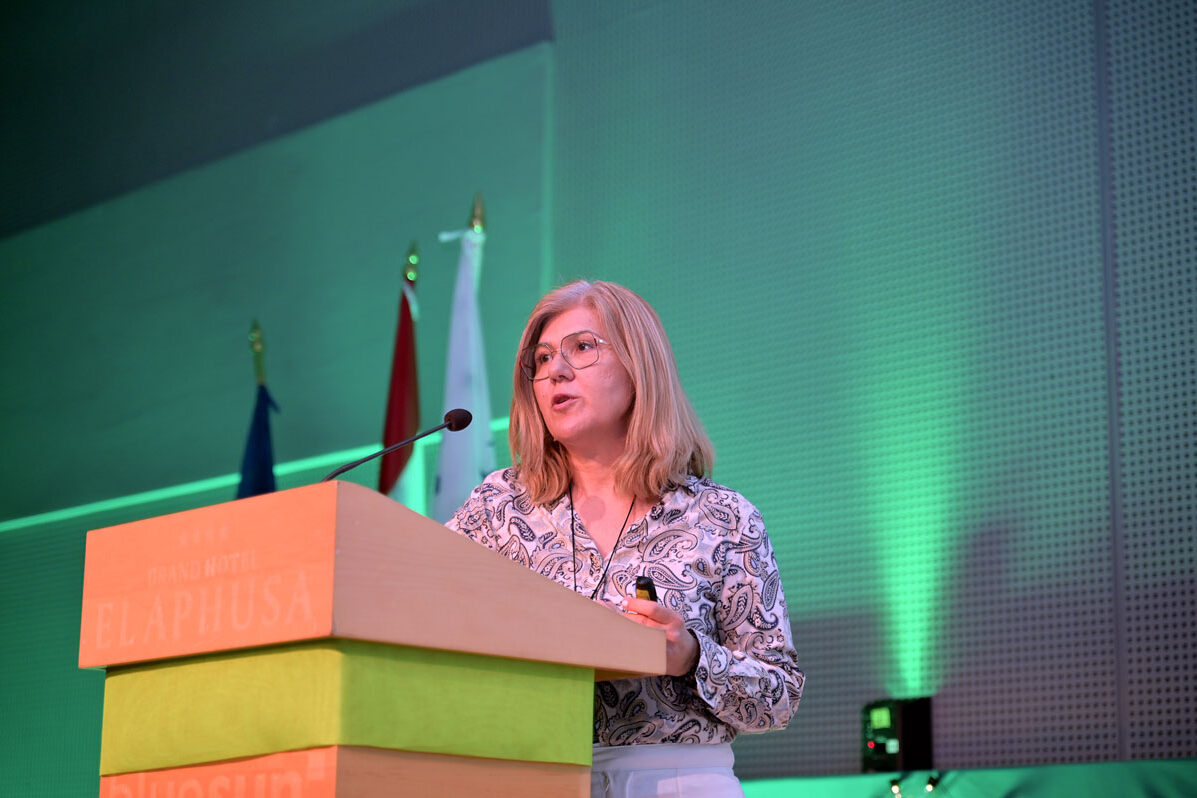
Photo: Splitech
At SpliTech 2026, INTEGRATES presented ongoing research on a Digital Twin architecture that combines semantic knowledge and AI-driven analytics to improve interoperability and decision-making in the built environment.
What happens when semantic knowledge and data analytics are brought together?
This question was explored in a paper presented at SpliTech 2026, where researchers working on the INTEGRATES project presented ongoing work on Digital Twin intelligence for buildings and neighbourhoods.
The paper was authored by Filippos Lygerakis, Elisavet Tsekeri, Alexandros Malisovas, Nikolaos A. Diangelakis, Alessandra Lilli and Despoina Kolokotsa from the Technical University of Crete (TUC) and presented a practical approach combining structured building knowledge with analytical methods for processing operational data.


Digital Twins and Knowledge Graph
Digital Twins rely on large volumes of data originating from buildings, technical systems, sensors and operational processes. However, this information is often distributed across different platforms and formats, making integration and analysis difficult.
The paper presented a neurosymbolic architecture that combines two complementary layers:
- a Knowledge Graph, capable of representing buildings, systems, sensors and their relationships in a structured and machine-readable way;
- a Neural Enhancement Layer, designed to process and analyse operational time-series data.
Together, these components aim to provide a common framework that supports both interoperability and advanced analytics.
To demonstrate the approach, the researchers applied the methodology to electricity-consumption and weather datasets collected on the TUC campus.
The presented workflow included:
- time-series classification,
- anomaly analysis,
- predictive modelling,
- integration of contextual information through semantic representations.
The case study illustrated how combining domain knowledge with data-driven analytics can improve the interpretation of operational data and support monitoring and decision-making across complex built environments.
The paper reflects a central objective of INTEGRATES: connecting interoperable semantic information with advanced analytical capabilities.
The Knowledge Graph component contributes to the project’s work on ontologies and semantic interoperability, while the Neural Enhancement Layer supports the development of analytical services for processing building and operational data. By presenting these components as a connected workflow, the contribution demonstrated how fragmented datasets can be transformed into structured, contextualised and reusable Digital Twin intelligence.
other events
-
Advancing Digital Twin intelligence for the built environment at SpliTech 2026
-

Presenting the first INTEGRATES research at the Panhellenic Scientific Conference
-
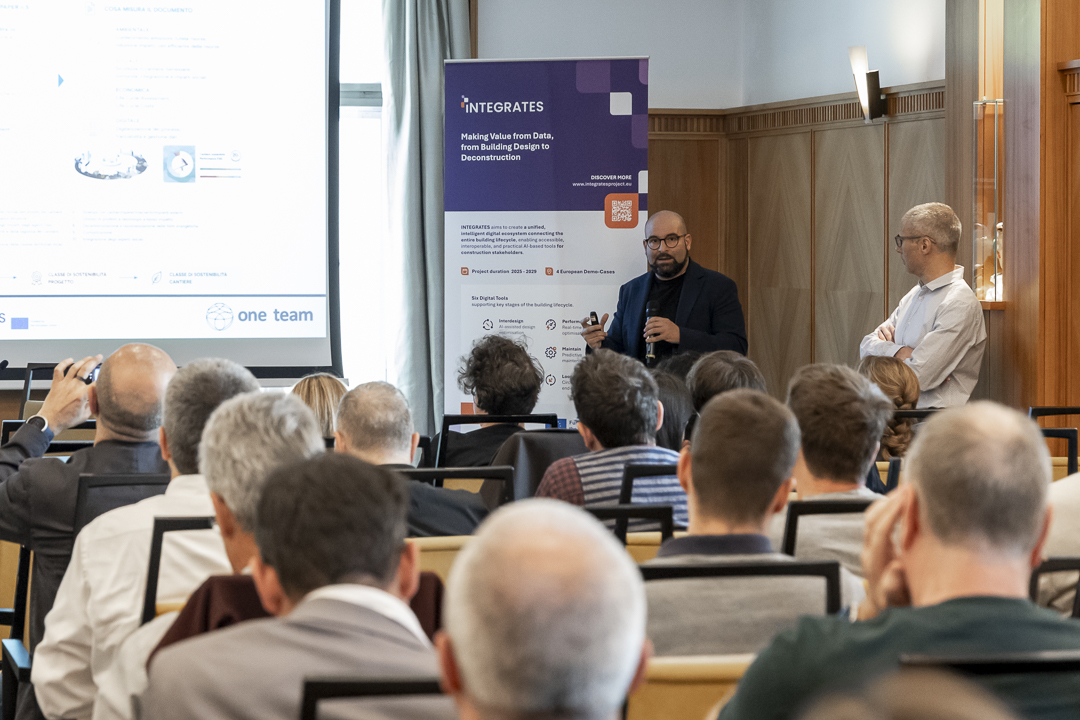
INTEGRATES at BIM Days 2026